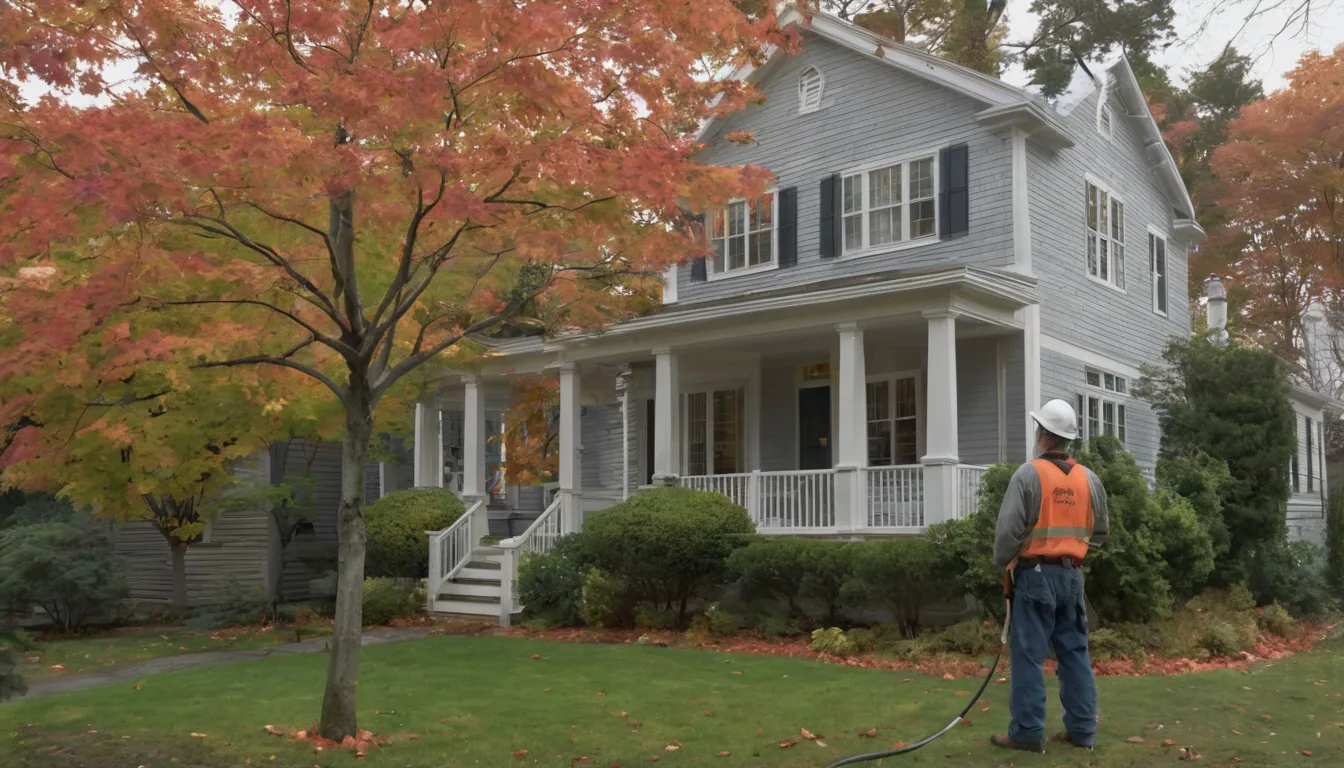
Tree Removal Help for Homes in Newton
Trees give signs before they fall. A new lean, a crack, or dead limbs can all be early warnings. Researchlaughed Tree Service connects you with independent local providers who can check the tree and explain your options. No obligation.
- Independent providers across the Newton area
- Plain answers about your options
- Request an estimate, no obligation
- Help for urgent jobs
Researchlaughed Tree Service Is Proud To Serve the Newton area
Why Choose Researchlaughed Tree Service?
Help Before It Gets Worse
Catching a lean, crack, or dead limb early gives you time to compare options and plan the work, instead of rushing after damage.
Local Providers
Providers in our network work in Newton and the Newton area. They know local weather, soil, and the older homes found here.
Plain Answers, No Pressure
Ask what the work involves and why. Get it in writing. You decide whether to go ahead. There is no obligation.
Urgent Help
If a tree has come down, many providers can respond quickly. Request a callback to check provider availability.
1. Look and Note
Walk around the tree. Write down cracks, dead limbs, leaning, or lifted soil.
2. Call or Request an Estimate
Request a callback or use the form to describe the tree and your worries.
3. Compare Written Quotes
Review what each provider includes, from cleanup to stump grinding.
4. Choose and Schedule
Pick your provider, agree on a plan, and prepare the yard for work.
Need help in Newton?
Request a callback to check provider availability, or send a request through the form. Tell us about your tree and we will point you to a local provider. No obligation.
No obligationTwo Services
Most calls fall into two groups. One is planned work on a tree you are worried about. The other is urgent work after a tree or large limb has come down. Pick the one that fits, or ask a provider which fits better.
Residential Tree Removal
A tree rarely fails without warning, so look up early and learn your options before anyone picks up a saw.
Emergency Tree Removal
A tree that has fallen or is about to fall needs a pro, and Researchlaughed Tree Service helps you reach one.
Common Questions About Tree Removal in Newton
How do I know if a tree needs to be removed?
Look for deep cracks in the trunk, large dead limbs, mushrooms at the base, or a new lean. Roots pushing up soil are another sign. One sign may be minor. Several together raise the risk. A local provider can inspect the tree and explain whether removal, trimming, or waiting makes sense.
How much does tree removal cost?
In the U.S., removal often runs from a few hundred dollars to several thousand. Tree height, how close it stands to buildings, and how hard it is to reach all change the price. Ask the provider for a written quote that lists exactly what the work includes.
Does homeowners insurance cover a fallen tree?
Some policies may cover sudden damage, like a tree that falls in a storm. Others may not. Check your policy or ask your insurer. Providers can often help document the damage for a claim.
What is stump grinding?
Stump grinding uses a machine to shred a stump below ground level. It leaves wood chips in the hole. Many providers offer it with removal. Ask whether it is in the quote.
What should I do if a tree falls on my house?
Get everyone out and stay away from the tree and any wires. If anyone is in danger, use your local emergency number. Then request a callback to check provider availability for emergency tree removal. Take photos of the damage for your insurer.
Most trees give a warning before they fail
A tree rarely fails without a hint. It leans a bit more each season. A crack opens. Dead branches drop after a windy night. These are early signs, and they buy you time.
Researchlaughed Tree Service is a referral service for Newton and the Newton area. We do not cut trees. We connect you with independent local providers in our network who do. You tell us what you see. A provider can look at the tree and explain what comes next.
Here are signs worth a closer look:
- Cracks or splits in the trunk
- Bare or dead limbs in summer
- Mushrooms or soft, rotted wood near the base
- Roots lifting soil or pushing up a walkway
- A new lean after a storm
One sign may be small. Several together can mean real risk. A tree near your roof, power lines, or driveway deserves the most attention.
Request a callback to check provider availability and describe what you see.
You can also request an estimate in your own time. There is no obligation, and you decide what happens next.
How It Works
What Researchlaughed Tree Service is
Researchlaughed Tree Service is a referral service. Think of us as the link between you and a local tree provider. A homeowner in Newton tells us about a tree. We pass the request to an independent provider in our network. That provider then talks with you about the job.
What we do not do
We do not climb, cut, or haul. We do not set prices. The provider you speak with sets the scope, the cost, and the schedule. Ask for those details in writing before any work starts.
Why starting early helps
A tree that looks a little off is the easiest kind to plan for. You have time to compare choices. You can pick a date. You can work around the weather. A tree that has already dropped a big limb leaves you fewer choices, and the job is often harder and costs more.
The usual path
Most jobs follow the same few steps:
- You describe the tree and share photos if you have them.
- A provider looks at it, often in person.
- The provider explains the options, such as removal, trimming, or waiting and watching.
- You get a written quote that lists the work.
- You choose to go ahead or not. There is no obligation.
Who it is for
This site is for homeowners who want a clear next step. You might have one worried tree in the yard. You might have a limb resting on the roof. Either way, you can start with a short description and let a local provider take it from there.
Serving Newton and Nearby Towns
Our network covers Newton and the Newton area, across Massachusetts. Local weather shapes how trees age here, so it helps to know what to watch.
Cold, snowy winters put weight on branches. Wet snow can bend or snap limbs that were already weak. Repeated cycles of frost and thaw can crack bark and loosen soil around roots. Spring snowmelt then soaks the ground, and a soft root zone holds a tall tree less firmly. Coastal storms add strong gusts that test every tree on the lot.
Homes here are often older. Many have full basements and stone or block foundations. Roots can press on those walls over many years. Cape Cod style homes sit close to the trees around them, and multi-family buildings often share tight yards. In small spaces, the way a tree comes down matters. Providers plan the cut so branches and trunk pieces land where they should.
If you live anywhere in the Newton area, a provider in our network may be able to help. Request a callback to check provider availability near you.
Prefer to write it out? Use the form to request an estimate, and a local provider can follow up.
A Homeowner's Guide to Tree Warning Signs
Signs in the trunk
Look for long cracks, deep splits, or bark falling off in sheets. A hollow spot or a sunken patch can mean decay inside. A trunk can look fine outside and be weak within.
Signs in the crown
The crown is the top of the tree, where the branches and leaves grow. Thin leaves, dead limbs, or branches that rub each other are all worth noting. So is a limb that hangs over your roof.
Signs at the roots
Roots hold the tree up. Watch for lifted soil, new gaps in the ground, or fungus at the base. Cut or damaged roots from digging nearby can weaken a tree for years.
Winter and snowmelt stress
Heavy snow and ice can load a branch past its limit. After a thaw, check for fresh cracks and cracked bark. Wet spring ground can also let a leaning tree tilt more.
Storm tree clearance
After a strong storm, a tree or large limb may block a drive or rest on a house. Stay clear of it, and keep away from any wires. If someone is in danger, use your local emergency number. Once it is safe, a provider can offer storm tree clearance and emergency tree removal. Many providers can respond quickly, but availability varies.
Your options
Not every worried tree has to come down. A provider may suggest trimming, bracing, or a check-up later. Removal makes sense when a tree is dead, badly split, or too close to a building. Ask why, and ask what happens if you wait. A tree falling service handles the felling itself.
Stump grinding
When a tree is gone, the stump stays. Stump grinding uses a machine to chew it down below ground level. Many providers offer it as an add-on. Ask if it is in the quote.
Costs and quotes
In the U.S., tree removal often runs from a few hundred dollars to several thousand. Size, access, and risk all change the price. Always get a written quote.
Insurance notes
Some policies may cover sudden damage, such as a storm-felled tree. Check your policy. Providers can often help document damage for a claim.
Ask About Your Tree
Not sure if your tree is a problem? Ask. Describe what you see, and a local provider can tell you what it may mean and what your choices are.
Request a callback to check provider availability and talk it through.
Or request an estimate and wait for a provider to reach out. It takes a minute, and there is no obligation.
Request a callback
Request a callback to check provider availability, or send a request through the form. Tell us about your tree and we will point you to a local provider. No obligation.
No obligation